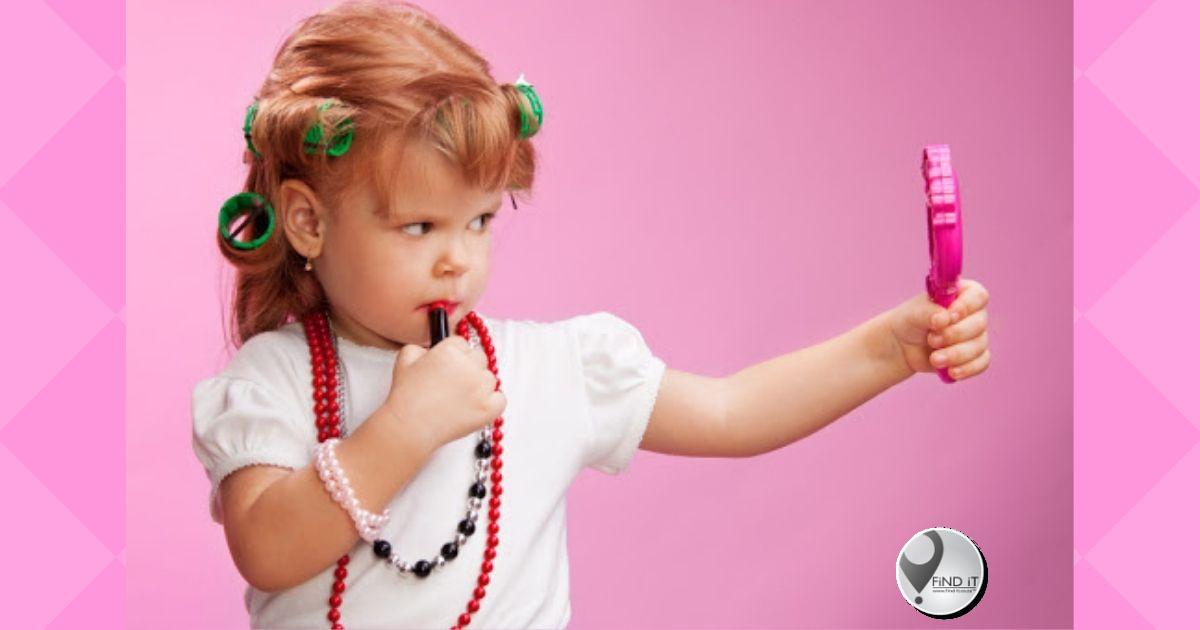

All parents believe their kids are special but have we taken it too far? Is your child too confident? Jennifer Garth finds out boosting your child’s self-esteem is the golden rule of modem-day parenting-and for good reason, too. When children feel good about themselves they do better at school, have realistic expectations, are generally optimistic and enjoy life more than those with low self-esteem.
Signs your child is too confident
Your child thinks they are pretty good, not a problem. They think they are superior, look out, warn the experts. “At its extreme, over-confident kids display narcissistic tendencies,” says Professor Jean Twenge, author of Generation Me. Studies show that these kids have an inflated sense of sell, lack humility, and empathy, are vain and materialistic, and have a puffed-up sense of entitlement.
“In the playground, they are more inclined to display anti-social behavior such as bullying, being overly aggressive, controlling, and dismissive of others, says child psychologist Catherine Boland. “They have a diminished radar on how they come across and how their self-centredness affects others.”
The impact Beyond being the life of the party, over-confidence can be detrimental to your child’s wellbeing. A recent study conducted at the University at Buffalo Graduate School of Education showed a clear connection between over-confident students and low reading comprehension – an essential component of learning,
Over-confident kids don’t assess their strengths and weaknesses accurately,” says the study’s author Professor Ming Ming Chiu. For example, over-confident children will choose to read a difficult book, such as The Lord of the Rings, and stop reading after a few pages.
In contrast, self-aware students are more likely to choose an easier book, such as Harry Potter and the Philosopher’s Stone. They will finish it, continue reading more books and in the process develop their comprehension and learning skills.
They don’t do wel in relationships
Over-confident teens, on the other hand, are more likely to describe themselves as ‘A’ students when, in reality, they’re not and are more likely to drop out of school because they think they’re already smart enough and don’t have to study, says Twenge.
These teens also don’t do well in relationships. A recent study conducted at the San Diego State University found that over-confident college students with narcissistic tendencies were more likely to experience a breakdown of their close relationships, had more short-lived relationships, were lacking in emotional warmth, exhibited game-playing and were dishonest and over-controlling.
Read part 2 here.