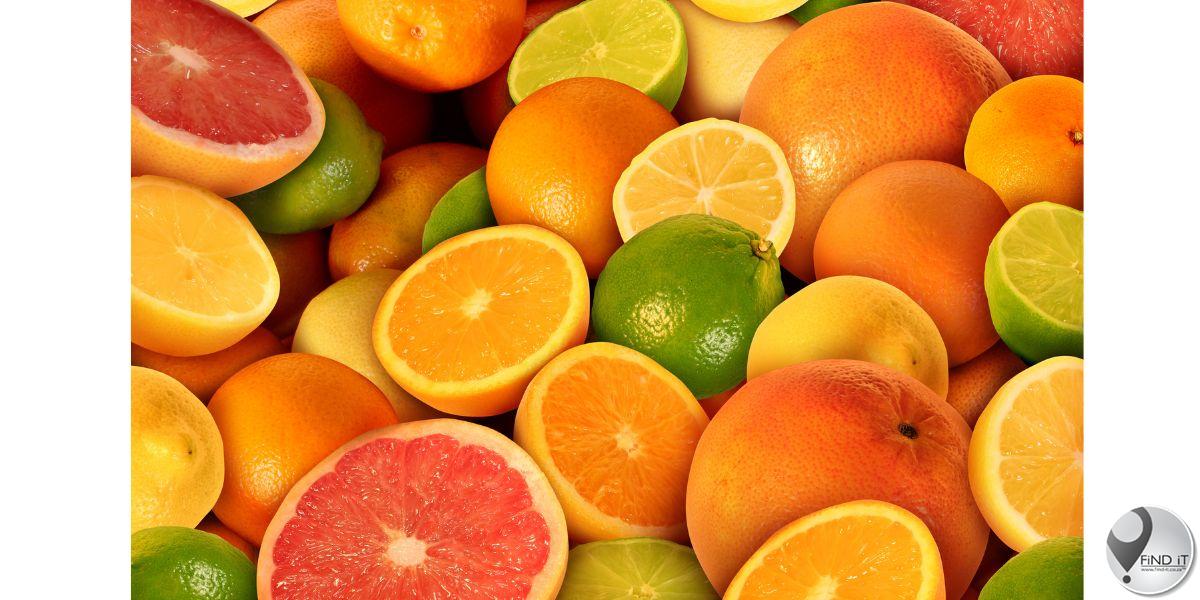

Nuutingestelde regulasies deur die Europese Unie kan Suid-Afrikaanse sitrusvrugte ter waarde van ongeveer R654 miljoen en meer tot niet laat gaan.
Intussen het ‘n video op sosiale media gewys hoe boere in die Oos-Kaap ontslae raak van tonne lemoene, suurlemoene en sagtesitrusvrugte. Dit as gevolg van uitvoerprobleme rondom die nuwe regulasies.
Boere is ongelukkig omdat die plaaslike mark versadig is, en uitvoerkostes baie hoog.
‘n Besending van ongeveer 3,2 miljoen kartonne sitrusvrugte was reeds onderweg na die EU toe die regulasies skielik aangekondig is, wat beteken dat die vrugte moontlik net iewers tot in ‘n hawe sal vorder en vandaar sleg word.
Die bedryf kan so nadelig beïnvloed word dat ongeveer 140 000 werksgeleenthede in gevaar kan wees.
Justin Chadwick, uitvoerende hoof van die Sitruskwekersvereniging van Suid-Afrika (CGA) sê in ‘n verklaring die EU se staande komitee vir plante, diere, kos en voer (SCOPAFF) het drastiese regulasies ingestel, waarskynlik omdat hulle verkeerd ingelig is oor verkoeling van sitrus wat na hul uitgevoer word.
Die Suid-Afrikaanse regering het volgens Chadwick intussen ‘n dispuut verklaar by die Wêreldhandelsorgnanisasie en gevra vir konsultasie met die EU om die maatreëls wat SA affekteer te bespreek.
Deon Joubert van die Sitruskwekersvereniging (CGA) sê in ‘n verklaring dat die polities gemotiveerde regulasies op 21 Junie in die Official Journal of the European Union gepubliseer is.
“Die nuwe regulasies bepaal dat sitrusvrugte wat na die EU uitgevoer word verpligte gespesifiseerde verkoelingsprosesse en vooraf verkoelingstappe vir spesifieke periodes moet ondergaan, wat tot en met 25 dae kan neem, voordat ‘n vrag enigsins gelaai kan word om dit te kan verskeep.”
Volgens Joubert verskil die regulasies van die hoogs effektiewe wyse waarmee Suid-Afrika reeds vir jare uitvoervrugte teen peste en siektes beskerm het.
“Tans voer Suid-Afrika se sitrusprodusente jaarliks ongeveer 800 000 ton hoë kwaliteit sitrusvrugte na die EU uit.”
Suid-Afrika is naas Spanje die grootste uitvoerder van sitrusvrugte na die EU.
Lees beide die volledige verklarings hier:
PRESS STATEMENT BY JUSTIN CHADWICK
CEO OF THE CITRUS GROWERS’ ASSOCIATION OF SOUTH AFRICA (CGA)
28 July 2022
Citrus crisis: SA government lodges WTO dispute, requests consultation to address EU measures affecting citrus imports from South Africa
On 22 July 2022, the Permanent Mission of South Africa to the United Nations and other International Organizations wrote to Mr. Joao Aguiar Machado, Ambassador of the European Union (EU) to the World Trade Organisation (WTO) in Geneva to request consultations with the EU concerning the new regime governing the importation of citrus fruit from South Africa.
In June, the European Union’s (EU) Standing Committee on Plant, Animal, Food and Feed (SCOPAFF) published drastic, and arguably misinformed, new regulations requiring the cold treatment for oranges heading to the region as a means to address False Coddling Moth (FCM) interceptions from Southern African orange exports. Despite numerous objections from several other countries, including European markets that currently import South African oranges, these new regulations were published in the Official Journal of the European Union with an implementation date of 14 July 2022.
The fact that EU authorities attempted to enforce these new regulations a mere 23 days after publication made it impossible for South African growers to ensure their compliance, and highlights how unjustified and discriminatory this legislation is, with devastating consequences to our local citrus industry.
In terms of WTO agreements, members have agreed not to discriminate among imports from different origins, not to impose sanitary and technical barriers to trade that are discriminatory and not based on international standards or on sound scientific evidence. It is clear that the EU’s protectionist FCM import measures against South Africa violate these conditions. In its request for consultations, South Africa identified 21 inconsistencies in the new proposed phytosanitary measures, against the guidelines of the WTO Agreement, which the EU is obligated to adhere to.
These transgressions have already impacted an estimated 3.2 million cartons of citrus valued at R605 million (€38.4 million), with reports of hundreds of containers of South African citrus being detained by authorities in the EU on arrival. Without immediate political intervention, the threat remains that these consignments will be destroyed by EU authorities.
The local industry is still of the view that the cold treatment prescribed within the new regulations is contrary to scientific evidence, making it an arbitrary and unnecessarily trade restrictive measure and accordingly contravenes international requirements for such phytosanitary trade regulations.
The CGA understands that the Department of Trade, Industry and Competition (DTIC), as well as national government, undertook a number of efforts to resolve this matter over a period of several weeks. We are aware that the process of seeking a WTO consultation was actioned when it became evident that other avenues would not prove successful to address the issue. The CGA welcomes the move by the DTIC for the lodging of this dispute and elevating it to a multilateral level.
This crisis not only threatens the sustainability and profitability of local growers and the 140 000 jobs the industry sustains locally, but will also result in less and more expensive citrus in European supermarkets. We simply cannot allow, what was clearly nothing more than a politically motivated move by the Spanish, to decimate the businesses of thousands of local growers and the livelihoods they support, while threatening the destruction of millions of cartons of top-quality fruit by EU authorities.
The CGA will continue to work with all government and industry stakeholders to address this issue with the degree of urgency it requires and hopes to ensure all top-quality citrus exports to the EU are received and welcomed over its borders.
ENDS.
Note to Editors: Kindly attribute quotes to Justin Chadwick, CEO of the CGA.
PRESS STATEMENT BY DEON JOUBERT
CITRUS GROWERS’ ASSOCIATION OF SOUTH AFRICA (CGA) SPECIAL ENVOY: MARKET ACCESS & EU MATTERS
11 July 2022
New politically motivated EU regulations could see R654 million of SA citrus destroyed
In June, the European Union’s (EU) Standing Committee on Plant, Animal, Food and Feed (SCOPAFF) published drastic, and arguably misinformed, new regulations requiring the cold treatment for oranges heading to the region as a means to address False Coddling Moth (FCM) interceptions from Southern African orange exports. If enforced this month, these new regulations could result in millions of cartons of citrus currently headed to the EU being destroyed.
Despite objections from a number of countries, including European markets that currently import South African oranges, these new regulations were published in the Official Journal of the European Union on 21 June 2022 stating that these “shall apply from 14 July 2022”.
These regulations make extensive changes to the current applicable phytosanitary requirements for citrus coming from South Africa. They require that imports of citrus fruit must undergo specified mandatory cold treatment processes and precooling steps for specific periods (up to 25 days of cold treatment) before importation – in other words, before consignments are shipped.
These new requirements differ significantly from South Africa’s existing rigorous FCM Risk Management System, which has been highly effective in protecting European production from the threat of pest or disease, including FCM, over several years and is supported by the results of scientific studies published in international peer reviewed scientific journals.
The nature of the cold treatment prescribed in the new regulations is contrary to scientific evidence, making it an arbitrary, unjustified and unnecessarily trade restrictive measure and accordingly contravenes international requirements for such phytosanitary trade regulations.
Most critically, local citrus growers currently export 800 000 tonnes of high-quality citrus fruit to the EU annually, yet FCM interceptions have been consistently low over the past three years – with 19 (2019), 14 (2020) and 15 (2021) interceptions respectively. This is in stark contrast to FCM interceptions from other 3rd importing countries, which have been much higher – with 53, 129 and 58 interceptions over the same period. However, no measures have been proposed against these countries.
A significant portion of South Africa’s commercial orange production will also not be able to withstand the new prescribed cold treatment. Organic and “chem-free” oranges are particularly prone to chilling injury and will be most severely impacted, even though no FCM interceptions have been reported in the EU on these environmentally friendly and sustainable orange types.
South Africa is currently engaging with its counterparts in the EU to reconsider these regulations on the basis of the fact that they carry no technical weight and appear to be nothing more than a politically motivated move by Spanish producers to freeze out Southern Africa citrus from the European market.
However, of immediate concern is the fact that there are currently numerous shipments of citrus fruit en route to the EU with phytosanitary certificates issued before 14 July 2022 based on South Africa’s existing systems approach. These shipments will reach the EU after 14 July, by which time the EU’s new phytosanitary requirements will apply.
As a result, an estimated 3.2 million cartons of citrus valued at R605 million (€38.4 million) currently en route to the region could potentially be destroyed by authorities.
This will not only result in large gaps in the supply chain and higher prices for European consumers, at a time when the region faces the real risk of food insecurity due to the ongoing Ukraine-Russian conflict but will also severely threaten the sustainability and profitability of the South African citrus industry. In particular, it will put 140 000 jobs that the local industry sustains, mostly in rural areas, at risk. The massively unjustified potential destruction of millions of cartons of fruit also comes at a time when the EU has prioritised minimising food waste in supply chains across the region.
The fact that authorities are trying to enforce these new regulations a mere 23 days after publication, making it impossible for South African growers to comply, highlights how unjustified and discriminatory this legislation is – with European consumers and local rural workers ultimately paying the price.
The CGA in conjunction with the South African government will continue lobbying against this restrictive legislation, which effectively pose the equivalent of a trade block for Southern African states. It would be unconscionable if political agendas result in millions of cartons of top-quality citrus being destroyed.
ENDS.
Note to Editors: Kindly attribute quotes to Deon Joubert, CGA Special Envoy: Market Access & EU matters
Volg FiND iT se Facebookblad hier en klik hier om ons app af te laai. Klik hier vir vandag se nuutste nuus. As jy Afrikaanse Nuus op die Moya App wil lees, volg die skakel.
Saamgestel deur FiND iT Nuus en AfriNuus.