Some say the greatest thing about humans is that we always aspire to be better than we were before. That we always try and improve, grow and learn. This is why it should come as no shock that “guilt-free eating” is the new trend of 2022.
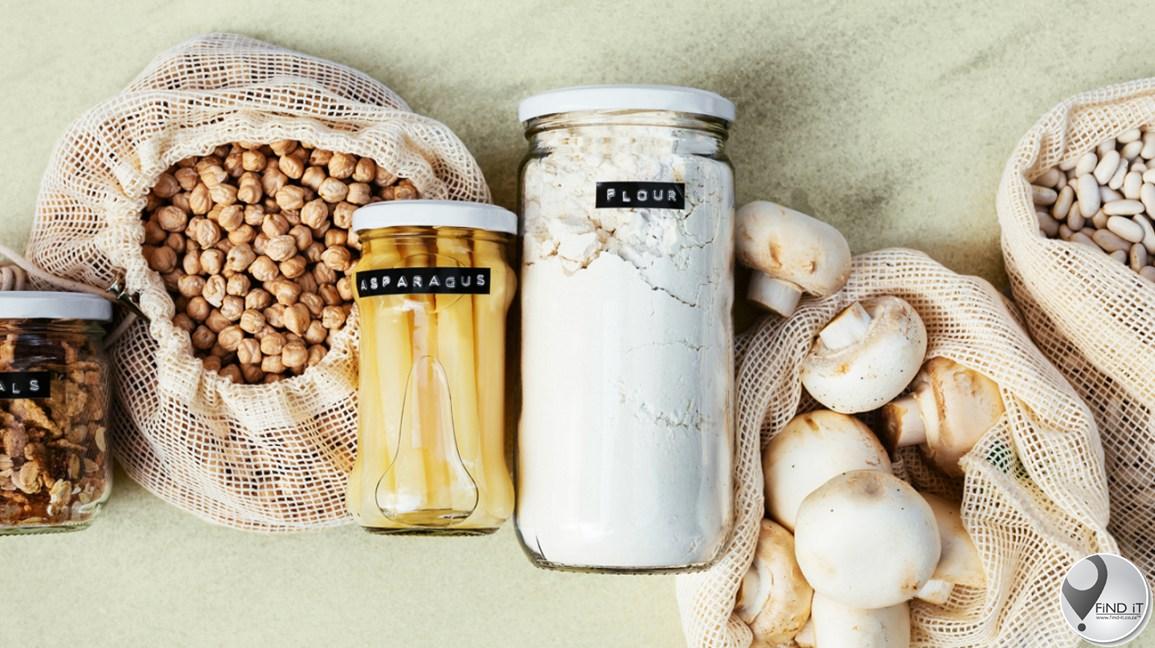
Guilt-free eating is a trend that immerged from a mixture of veganism/vegetarianism: eating organic and zero-waste eating. This trend focuses not only on the health of the person consuming the food, but also on that of the planet. It centers around bringing mindfulness into your meal and choosing food groups that promote a better healthier impact for your body, the planet, the animals, and future generations.
The meaning of guilt-free eating has shifted over the years. The meaning used to focus on portion control, that anything is good in moderation, and cheat weekends. The 2022 version is more focused on not using wasteful and harmful products when preparing meals.
With documentaries like Cowspiracy and Earthlings, there is no doubt that this pandemic has led people to search for things they’ve never even thought about. We have seen the ugliest parts of humanity in our search for entertainment. These movies have been around for years, but have been so popular over the last two years. The plant based industry alone has been predicted to grow over 451 percent in the next decade. Research companies have surveyed over 2 000 companies to conclude that over the next ten years the now $29,4 billion industry will grow to become a $162 billion industry.
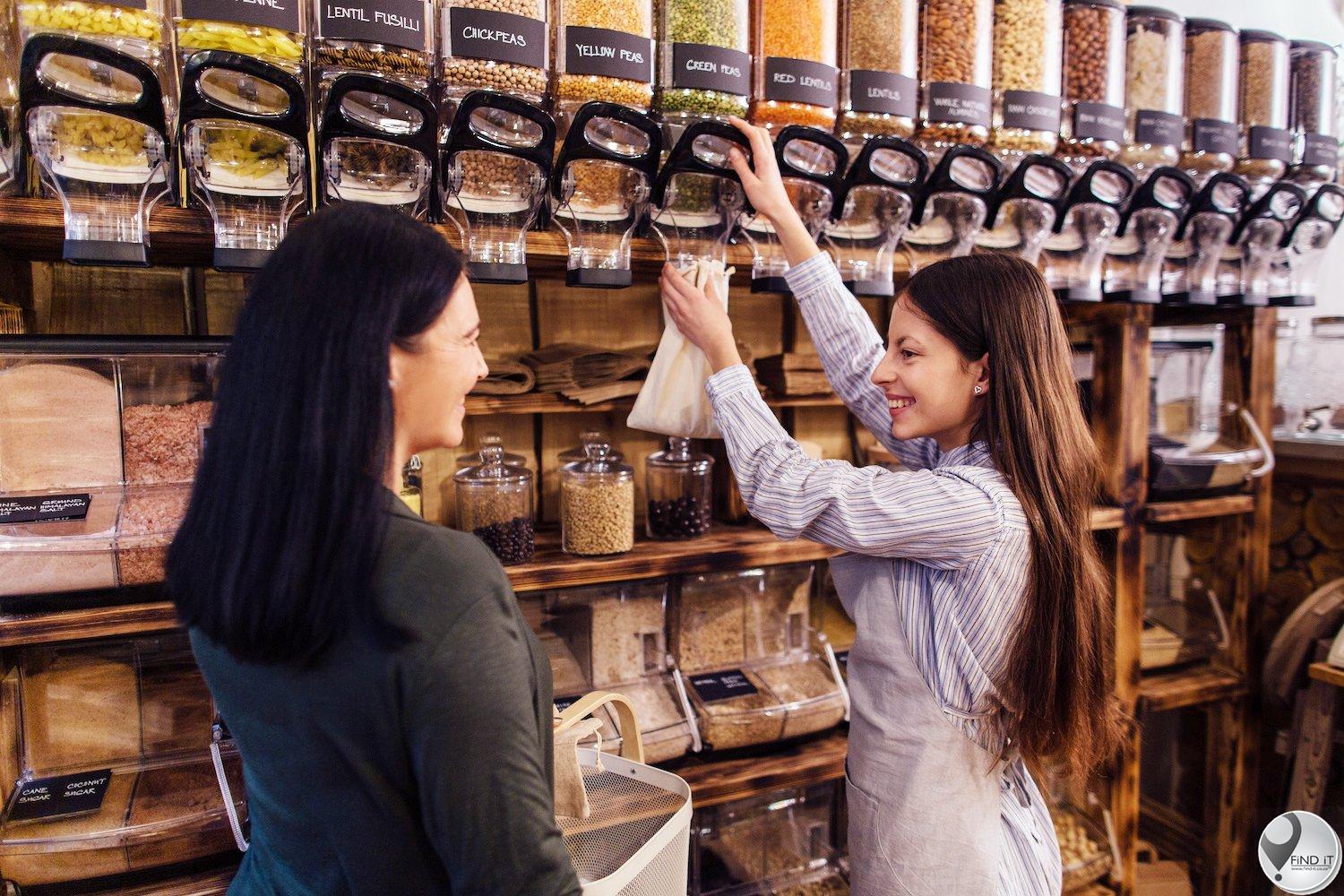
Some tips for a Guilt-free diet:
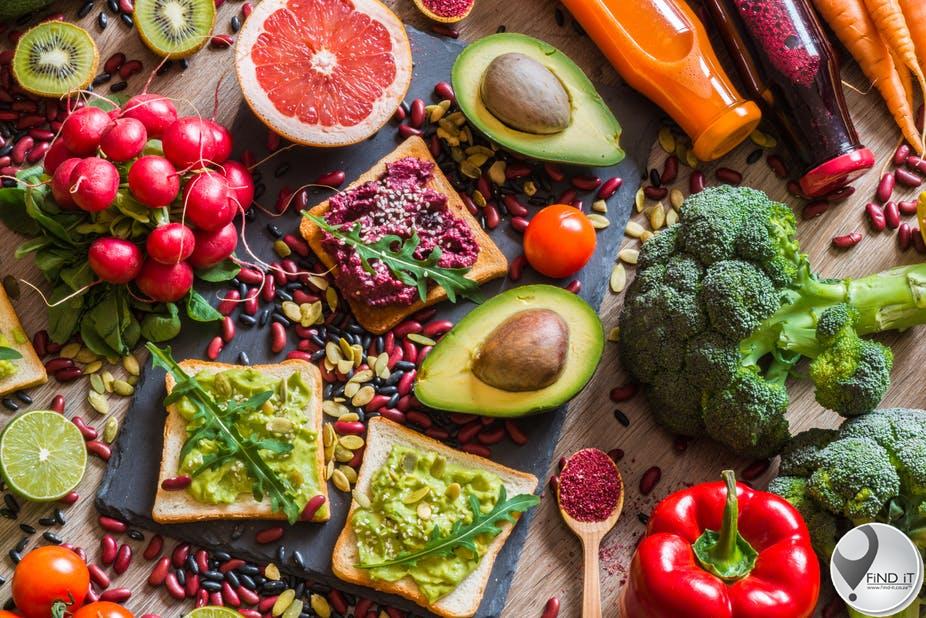
Follow a plant-based diet.
Cut out any products made from animals.
Bring your own shopping bags (and containers) everywhere.
Compost.
Grow your own herbs and vegetables or buy organically, locally sourced herbs.
Use every part of your fruit and veggies, plant seeds, ends and roots. Use peels for compost.
Cut out single used plastics.
Recycle.
Use water more sparingly.
Shop at small/local businesses rather than big corporations.
There are two major problems with the guilt-free diet. Being vegan, cutting out cheap plastics and shopping organic are all expensive. This makes it an elitist sport and means that it comes from a place of privilege. Low-income families are still struggling to afford bread for families of eight and milk to wash it down. When living guilt-free, we should start considering how we can make it more accessible and sustainable to everyone.
The second problem is that we can never be 100% zero-waste or eat anything completely Karma-free. Your organically grown tomatoes might be picked by an exploited and underpaid worker. Your paper straw might not be polluting our earth, but the costs are too much for small businesses who can’t afford to “go green”.
We still have a long way to go before we can be “guilt-free”, but the good news is, we are trying! Trying is the most important thing we as humans can do, we can always be a better version of ourselves tomorrow than we are today.
Also see: “Identiese tweeling volg vir 12 weke verskillende diëte.”
Follow FiND-iT on Facebook.