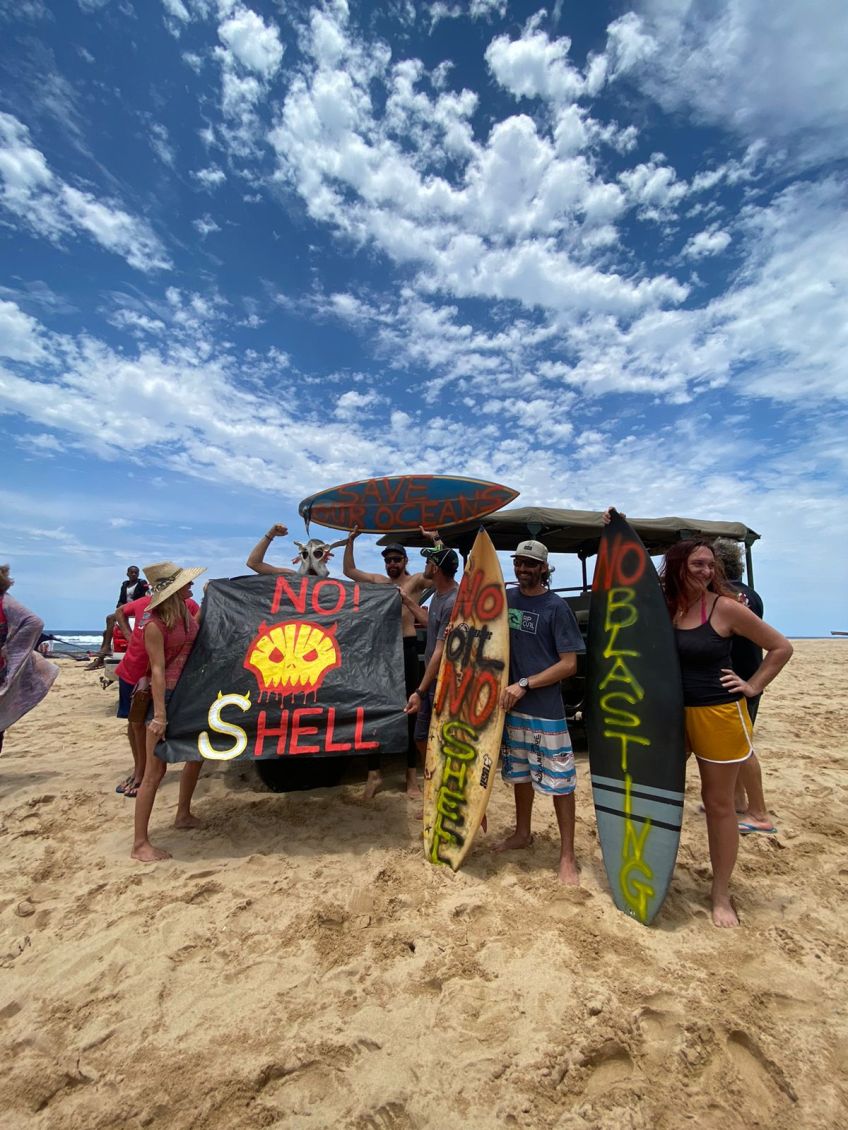

Shell must stop all operations of seismic surveying on the Wild Coast of South Africa with immediate effect.
Gwede Mantashe, the minister of mineral resources and energy and BG International Ltd must pay the cost of the application, ordered judge Gerald Bloem in the high court in Grahamstown today.
Sustaining The Wild Cost NPC, Mashona Went Dlamini, Dwesa-Cwebe Communal Property Association, Ntsindiso Nongcava, Sazise Maxwell Pekayo and Cameron Thorpe, together with attorneys for Climate and the Environment NPC brought an urgent interim interdict to stop Shell from conducting seismic survey off the Eastern Coast of South Africa. The company started their operations on 2 December.
The total survey area size is 6 011 square km’s and covers almost the entire Eastern Cape coastline. According to the Shell survey, it will take between 110 and 140 days to complete, from 1 December 2021, until 29 April, 2022. The applicants in this case said that the testing will harm sea life and can harm populations of endangered species.
The purpose of the seismic survey is to provide imaging of the subsurface to determine whether there might be energy reserves below the sea floor.
Shell will use the seismic vessel, the Amazon Warrior, from which is will conduct the seismic survey. The vessel will discharge pressurized air from its air gun arrays to generate sound waves.
Judge Bloem said he found that the applicant communities were not meaningfully consulted about the survey and that it impacts their customary rights, especially fishing rights.
Everyone has the right to an environment that is not harmful to their health or wellbeing, to have the environment protected for the benefit of present and future generations, to prevent pollution and ecological degeneration, promote conservation and secure ecologically sustainable development and use of natural resources while promoting justifiable economic and social development.
Communities in the Eastern Cape, that stretches from the Umtamvuna River, use the sea as healing water, sacred sand, to harvest mussels, catch fish and camp on the coast. The sea, as well as the land, plays an important role in the way of life of the members of the Amadiba traditional community. Seafood forms part of their vital diet and contributes to the community having some of the lowest rates of hunger in the country.
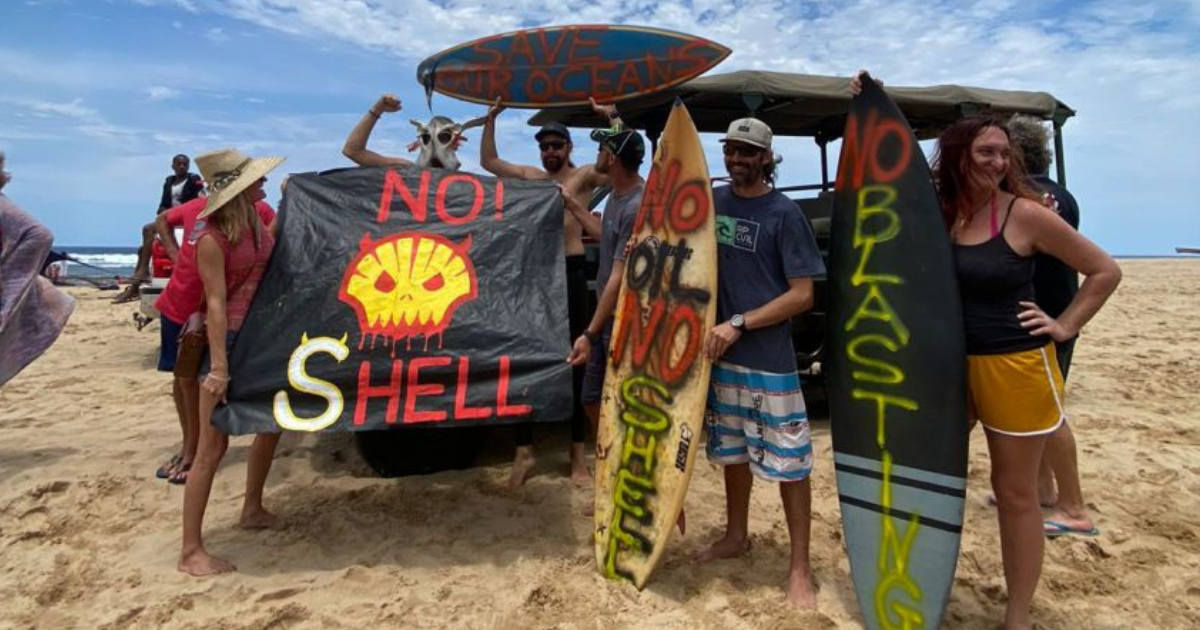
Photo: Oceans Not Oil
The members of this community is concerned about the impact the extraction of fossil fuels, which is the aim of the survey, will have on climate change, whilst other members of community are concerned about the impact the survey will have on their income as fisherman.
Judge Bloem says Shell relied on advertisements they placed in four newspapers, in Afrikaans and English. It was not placed in the languages that the community practices and no community newspapers or radio stations were used. The newspapers in which the advertisements were placed were only aimed at literate people with access to newspapers, therefore those who do not read or write Afrikaans or English, were excluded from the consultation. Group meetings were not held sufficiently.
“It seems to me that the exploration right, which was awarded on the basis of a substantially flawed consultation process, is thus unlawful and invalid.”
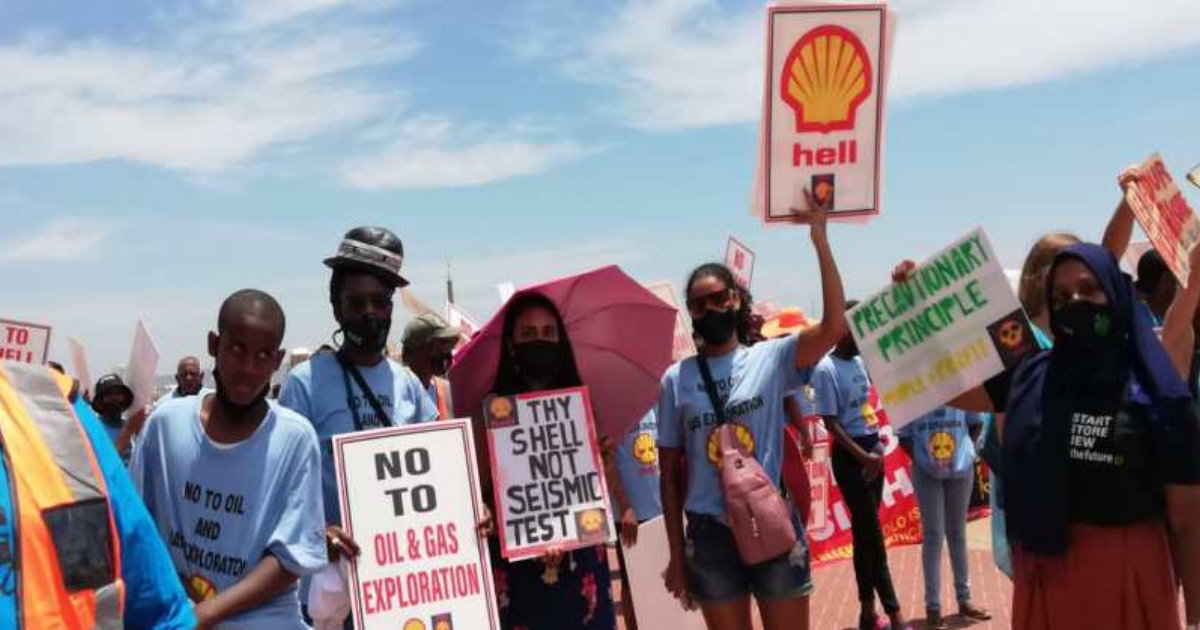
Photo: Oceans Not Oil
READ THE FULL JUDGEMENT HERE:
KFollow FiND iT here on Facebook.