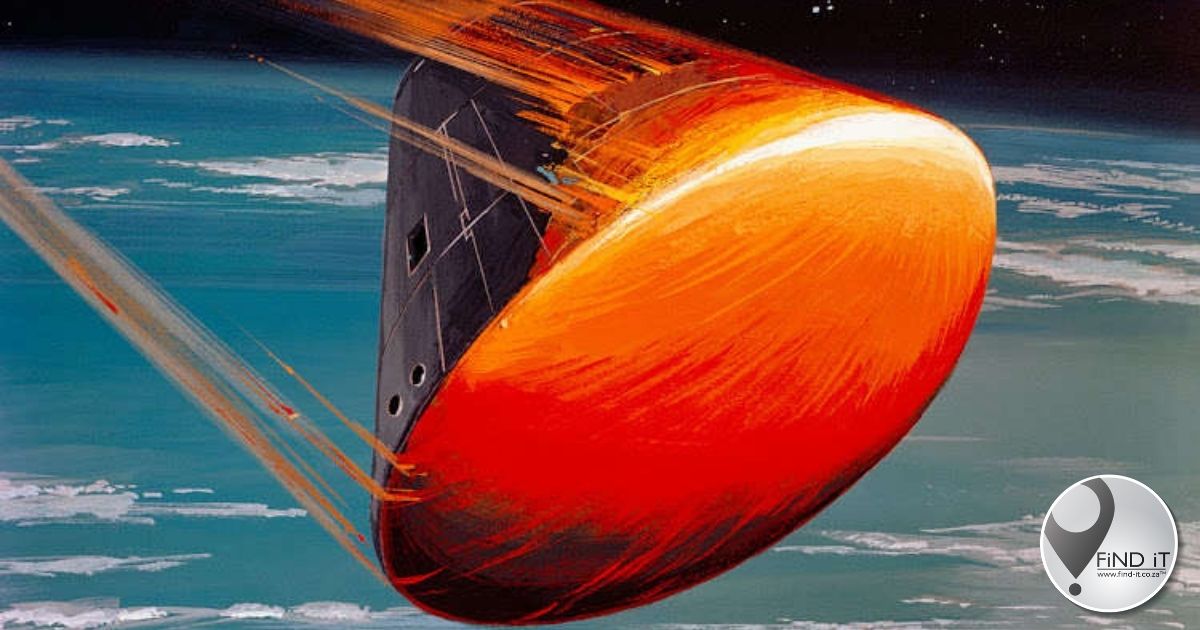

According to astronomers, the streak of light that blazed across Southern Africa’s evening sky on Tuesday was most likely a rocket re-entering Earth’s atmosphere and not a meteorite.
Tim Cooper of the Astronomical Society of Southern Africa (Assa) said that the nature of the break-up and its speed across the sky, point to a satellite or rocket re-entry and not a meteor or fireball. “It does not match the predicted decay time of any known satellites, including Starlink 1935, which was predicted to decay earlier today [Tuesday].”
Assa was looking into the possibility that it was one of three stages from the Long march 2C rocket which launched satellites from the Jiuquan Satellite Launch Centre in Inner Mongolia on Tuesday.
South African Astronomical Observatory (SAAO) science engagement astronomer, Daniel Cunnama told TimesLIVE it “was almost certainly not a meteorite. We are pretty sure it was a Chinese rocket. It was launched yesterday, the payload is secret so we don’t know what they launched but presumably it was some sort of satellite.” He added that the blazing trail across the night sky was most likely one of the rocket’s stages burning up as it re-entered Earth’s atmosphere.
“The upper stage would have gone up and deployed the satellite and then performed a deorbit burn. They would have targeted coming in over the sea — one would hope — but it’s a fine art trying to get it right. If there’s an issue with the motors or something, it can be a bit unpredictable when and where it comes in.”
Debris from rocket launches usually burn up rapidly on re-entry as a result of the extremely high temperatures that develop as the speeding object encounters atmospheric drag. Re-entries can be uncontrolled.
Sources: MSN
Follow FiND iT on Facebook here.
ALSO READ: Cape Town gets dangerous level 6 warning for Thursday