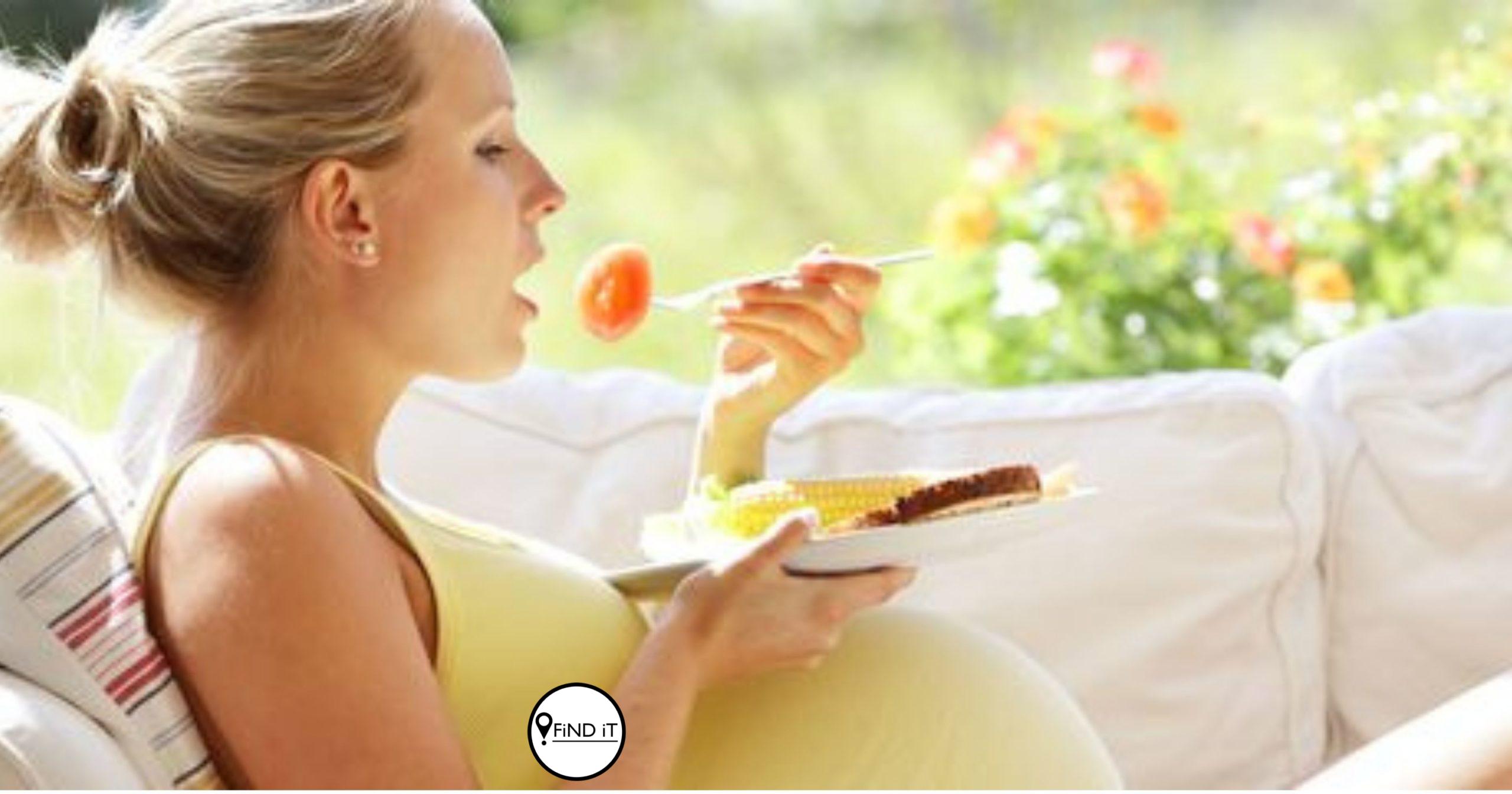

The following is healthy food you can enjoy during your pregnancy. There’s a lot of paranoia when it comes to what you can eat when pregnant; some women reportedly choose fast food over healthy salads due to a fear of listeria, a bacteria that can lurk in ready-to-eat foods and potentially cause miscarriage, still or premature birth. The problem, says author and dietitian Tara Diversi , is we’re telling women what not to eat when we should also be focusing on what they can eat.” If you’re confused, consult a dietitian who will devise a plan for you. In the meantime, here are some basic guidelines…
Dairy: Avoid soft cheeses (such as brie or feta) unless they’re cooked, which kills off any
listeria, “Spinach and ricotta cannelloni would be fine,” notes Di Prima. To meet daily dairy
needs, snack on yoghurt or cereal with milk. Vegan or lactose intolerant? Try calcium-rich
soy milk, tahini and almonds.
Fish: Omega-3 fatty acids are great in pregnancy; a recent Emory University study suggests
they help protect babies against colds and short illness in early infancy. They also benefit
mum: a University of Connecticut researcher has claimed they reduce the risk of postpartum
depression. “The best sources are salmon and tins of tuna,” says Di Prima, who advises
cooking all fresh seafood and avoiding long-living fish such as swordfish or barramundi.
“These store mercury, which may have a developmental impact on the baby.”
Meat: Deli meats also pose a listeria risk. “They’re okay if cooked – say, on a pizza,” says Di
Prima. “Otherwise look for good quality lean servings of meat.” If you’re vegetarian? Diversi
recommends combining alternative proteins (lentils and beans) with grains for a complete
serve.
Healthy food during pregnancy is important
Eggs: Raw eggs may carry salmonella, so only eat eggs if they’ve been cooked. (That
means no cold custard.
Fruit & Vegetables: “You should be eating these every day,” says Di Prima, who advises
washing and preparing your own. But skip the sprouts, unless they’re cooked, and avoid
dressings made with raw egg mayonnaise.”
Carbohydrates: There’s no risk associated with eating carbs during pregnancy, but a recent
study claimed a low-carb diet in the early months of pregnancy may cause babies to
metabolise fat less efficiently and thereby develop obesity in childhood. Di Prima’s advice:
“Skip the refined variety and eat fruit, cereal, whole grain breads and vegetables.”
Supplements: Talk to your nutritionist or doctor to decide which ones are best for you. If, for
example, you’re vegetarian or vegan, you may need iron; if you are allergic or intolerant to
dairy, you could require calcium from another source.