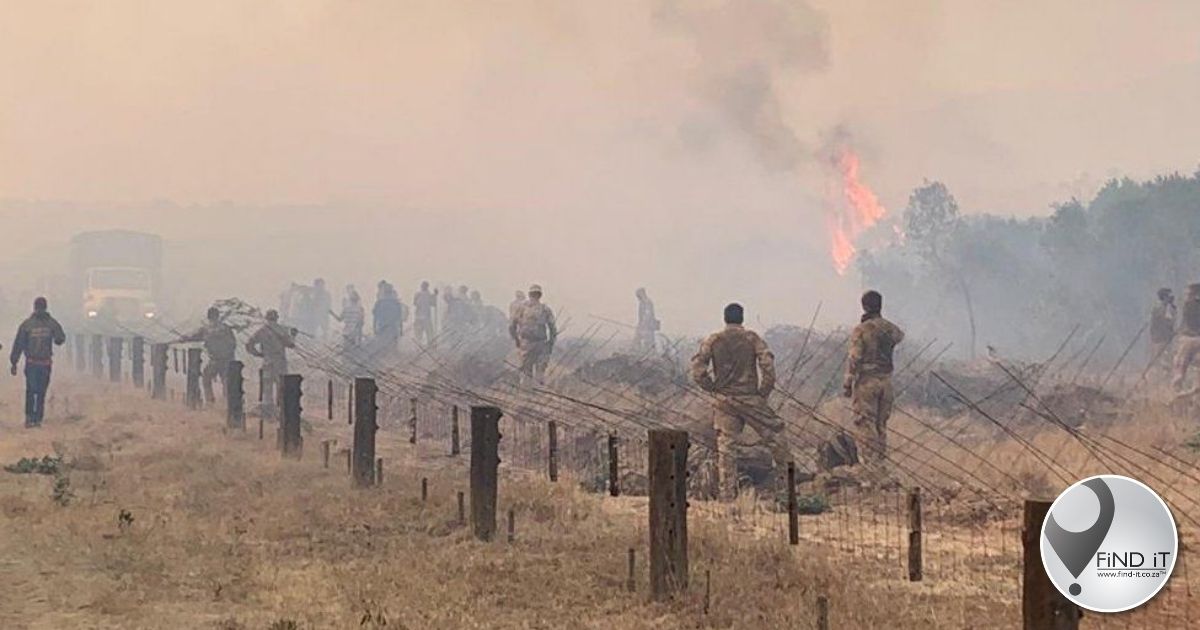

Linus Murangiri was crushed to death by a vehicle while he rushed to help put out a fire at a Kenyan wildlife sanctuary, which was hosting a training exercise by the British army.
Despite all the publicity over the fire in March, his death had not been acknowledged previously.
While there is no suggestion that the British army was directly involved in the death of Mr. Murangiri, his widow has told the BBC that she wants a speedy investigation into how her husband died and the cause of the fire and for the findings to be made public.
The fire, which has been blamed on the military exercise, destroyed about 12 000 acres of land at the privately-owned Lolldaiga conservancy in central Kenya, which houses animals such as elephants, buffaloes, lions, hyenas, jackals and the endangered Grevy’s sebra.
A British soldier reportedly posted on Snapchat, saying, “Two months in Kenya later and we’ve only got eight days left. Been good, caused a fire, killed an elephant and feel terrible about it but hey-ho, when in Rome.”
The official cause of the fire has not yet been made public but the incident is at the centre of an environmental lawsuit brought by a lobby group and almost 1 000 local residents.
The 994 signatories of the lawsuit have several complaints, including:
- Their right to a clean and healthy environment has been violated
- Military standards on the safe conduct of training – including ignoring sustainable use of the environment and the health of the immediate community – were broken
- Wildlife escaping artillery fire at the conservancy have invaded their homes and destroyed their crops
They want the British army and the conservancy to bear responsibility for ecological damage to a water catchment area
The community is hopeful that they can use an environmental impact assessment report that they commissioned to back up their claims.
“Living near this training camp has been difficult, especially because of the wildlife that has been destroying our farms and attacking our school-going children. The number of wild animals roaming in the village increased significantly after the fire,” said Mr Kariuki, who is one of the petitioners.
Macharia Mwangi of the African Centre for Corrective and Preventive Action (ACCPA), which is also part of the lawsuit, said he was not opposed to the presence of the British army in Kenya, and nor did he want the training to stop completely.
“What we oppose is continued devastation of the environment and ecosystem of close to 5,000 people.”
Lawyers representing the British army in June asked that the environment court dismiss the lawsuit, arguing that the Kenyan courts lack jurisdiction over the matter. The court will rule on the request later this month.
Sources: BBC, Todayheadline
Follow FiND iT on Facebook here.
ALSO READ: Germany floods: More than 90 dead, hundreds still missing