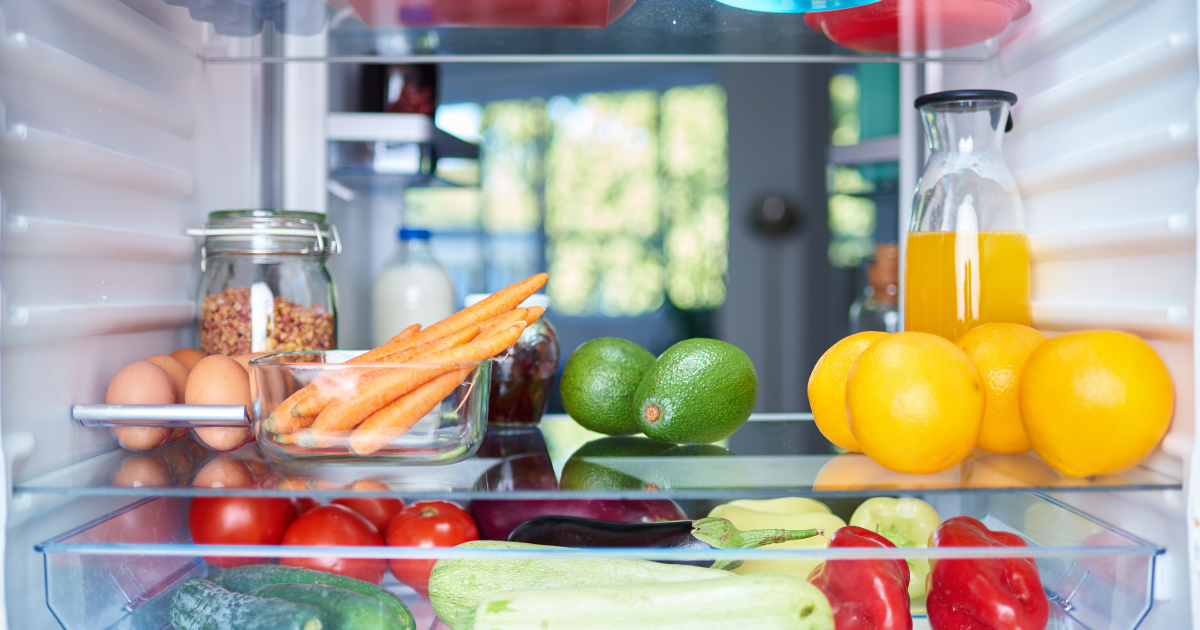

The way you store your fruit and vegetables could well be stripping them of flavour and nutrients – and costing you more money, writes Rachel Smith.
Tossing all the fruit and vegetables you buy in the fridge may seem like the safest option, but the too-cool crisper is actually the worst place for certain fresh fruit and veg. Extending the life of your fruit and vegetables – and getting the most nutrients – is down to some simple storage rules, say dietitians Zoe Wilson and Vanessa Hattersley.
Capsicum
Delicious in salads and stir-fries or dunked into a dip, capsicums are a staple in any kitchen. Health-wise, they’re a top source of vitamin C and beta-carotene. Red capsicums are also high in lycopene. “Don’t chuck your capsicums when they get a bit wrinkly – they’re great chopped and thrown into soups, stews or spaghetti bolognaise,” says Hattersley.
SMART STORAGE
“Capsicums are chill-sensitive along with vegetables like green beans and chilli,” says Wilson. “So to prevent them going limp and soggy, keep them in the warmer part of the fridge.”
BUYING TIPS Look for plump capsicums with glossy, smooth skins.
Salad leaves
Step away from the iceberg! Darker leaves typically have more nutrients, but it varies from leaf to leaf.“Spinach is great for vitamins C, A and manganese, or try watercress, rich in vitamins C And Asays Hattersley. The latter is actually considered a nutritional powerhouse that’s believed to have anti-cancer properties.
SMART STORAGE
Keep lettuce in a perforated plastic bag in the crisper drawer of your fridge and always on top-a squashed bag of lettuce quickly goes slimy. And don’t shy away from oil-based dressings when making your salad. “The oil actually helps your body absorb nutrients better,” says Hattersley.
BUYING TIPS Give anything wilted a wide berth and if you buy pre-washed lettuce, rinse again before using; some studies have found bagged lettuce contains high levels of bacteria. There’s also research to suggest the bagging process may reduce the leaves’ nutrient value. If in doubt, buy heads of lettuce where possible.
Herbs
A chopped tablespoon or two of herbs can add amazing flavour to dishes and offers heaps of potent health benefits for immunity and digestion
* SMART STORAGE
Herbs are expensive, particularly when you consider how often you’d use a sprig or two and the rest goes to waste. So, get your money’s worth by storing them in plastic containers with ‘breathable’ button holes, or in perforated plastic bags, says Wilson. “Herbs are fragile, especially soft-leaf herbs like coriander, and all of them should be kept in the fridge’s crisper, except for basil, which should be kept out with its ends in a glass of water – in a cool part of your kitchen.” You can also extend the life of your herbs by chopping them and popping them into plastic ziplock bags and into the freezer.
BUYING TIPS Choose bright herbs with fresh-looking leaves. Herbs with dark spots or shrivelled leaves are past their prime.
Nuts and seeds
These little powerhouses of vitamins and good fats make great energy-boosting snacks. Use them to add crunch to salads or breakfast cereals.
SMART STORAGE
They may look great in glass jars on a shelf, but nuts and seeds won’t last nearly as long if exposed to light, says Wilson. “In the fridge they’ll last four months and up to six months in the freezer. Nuts and seeds are high in fat so they’re prone to going rancid. They taste so much better when they’re fresher.”
BUYING TIPS Purchase them from stores that seem to have a high turnover. If they are in open buckets, use the scoop to try one before you buy. “It’s easy to taste whether they’re stale or soft, and those are the ones to avoid,” says Wilson.
Avocado
Velvety and rich, whether spread on toast in lieu of butter, blitzed into a guacamole or mixed through a salad, creamy avocados have been shown to protect against heart disease as well as lower blood pressure. “They’re a great source of monounsaturated fats, fibre, and vitamins C and E,” says Hattersley.
SMART STORAGE
Ripen firm avocados in a brown paper bag. “You can pop a banana into the bag to speed up the process,” says Hattersley, “and once ripe, avocados can be stored in the fridge for up to two days.”
BUYING TIPS Opt for firm, green or purplish-black avocados a few days off ripening, so you can use them at their best. Ideally, choose unblemished avocados without any dark sunken spots or cracks in the skin.
Cabbages
The humble cabbage may not look like much, but this cruciferous vegetable has been considered a panacea for diseases since Roman times. Rich in antioxidants and fibre, cabbage boosts immunity and can help heal infection. Try it in stir-fries or shaved in a fennel and rocket salad.
SMART STORAGE
“In the coldest part of the fridge, cabbage will last around a month,” says Wilson, “and half a cup of cabbage a day gives you 100 percent of your vitamin K intake, which is great for bone health.”
BUYING TIPS Look for cabbages that feel heavy for their size and have thick, tightly packed leaves. Nutrient-wise, red cabbage has six to eight times more vitamin C than green varieties. “As a rule of thumb, the more colourful the fruit or vegetable is, the more nutrients it has,” says Hattersley.
And the rest…
EGGPLANTS AND CUCUMBERS: “Neither like the cold, so store on the kitchen counter but away from bananas and tomatoes, which give off a ripening gas,” says Hattersley.
GARLIC: “Buy little clay storage pots, which keep garlic cooler,” says Wilson.”It’ll last longer out of the fridge, but don’t use it if it’s shrivelled, brown or is soft or sprouting.”
TROPICAL FRUITS: “Pawpaws, pineapples, mangoes, lemons and limes are chill-sensitive, and the fridge makes them go off faster! The fruit bowl is best for these,” says Wilson.
ALSO READ: CLR Electrical – need a new fridge for the festive season?